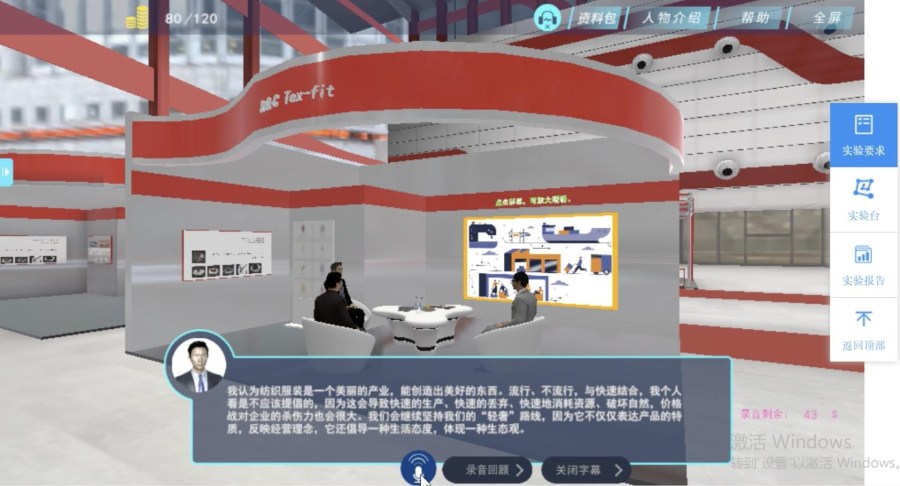
The virtual space opens up completely new ways for companies in China to communicate, but it also requires a deep understanding of the cultural nuances that shape interactions. There are many critical factors that influence success in this environment – from the choice of avatar attire to the meaning of numbers and colors.
Avatar clothing plays a key role in Chinese virtual reality (VR) culture. For example, the preference for conservative and formal clothing reflects traditional values. Dark colors such as black, blue and red are not only stylish, but also carry a symbolic meaning. Black also stands for elegance in the virtual space, blue for confidence and red for luck and prosperity. These subtle signals are highly valued by Chinese users and significantly influence the impact of virtual presence.
The interaction of avatars in the VR world requires sensitivity. From the appropriate use of gestures to emphasizing pleasantries at the end of each interaction, every detail contributes to creating a positive experience. In Chinese culture, eye contact is seen as a sign of respect and trust. Appropriate use of non-verbal communication, without overdoing it, is interpreted as an expression of empathy and professionalism.
Simultaneous language translation using AI applications plays a key role in a multilingual country like China. It is not only important to use clear and precise language, but also to take into account the cultural hierarchy in communication. Chinese culture places great value on respect for superiors and elders, which manifests itself in the correct form of address and a polite tone and voice.
Particular attention should be paid to the cultural significance of numbers and colors. The avoidance of unlucky numbers such as four and the preference for lucky numbers such as eight are deeply rooted in Chinese culture. The symbolic meanings of colors, such as red for luck and prosperity, also contribute to the positive perception.
In realistic VR training, ethical considerations and cultural values should not be neglected. Acceptable behavior is strongly influenced by cultural values and sensitive consideration is crucial. Furthermore, the cultural context influences the perception of reality. Professional work environments or training situations may be interpreted differently in China than in Western countries.
Finally, technological preferences and gamification elements should not be overlooked. The preference for platforms such as WeChat and the appreciation of competition and gamification elements can further enrich interactions and increase engagement. In the world of Chinese VR culture, the art of cultural adaptation is key to successful virtual communication.
Image>Wenzhou University


 China Intellectual Property Blog