
The Allianz Trade Global Survey 2025 clearly shows that Chinese companies are strategically reorienting themselves as a result of the escalating trade conflict with the US and are increasingly turning their attention to Europe. Since American Liberation Day on April 2, 2025, not a single Chinese company with existing supply chains in North America has… Continue reading Chinese offensive in Europe: Focus on IP and IT
Author: chinabrand-redaktion
www.chinabrand.de
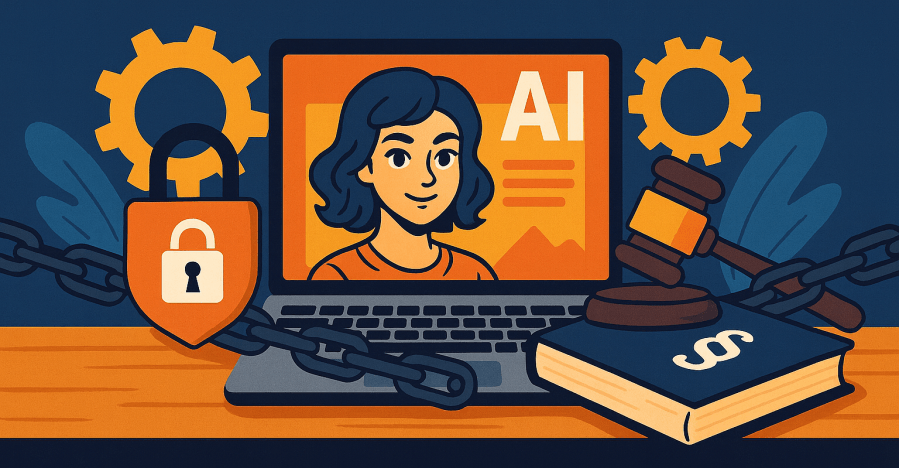
AI Protection through Competition Law
The Beijing Intellectual Property Court recently issued a landmark ruling that gives new weight to the protection of AI models under China’s Anti-Unfair Competition Law. In this case, Beijing Douyin Technology Co., Ltd., the operator of the popular Douyin app (known internationally as TikTok), sued Yirui Ke Information Technology (Beijing) Co., Ltd., the operator of… Continue reading AI Protection through Competition Law

China’s IP Reform: Opportunities,Obligations, and Risks
On April 24, 2025, the China National Intellectual Property Administration (CNIPA) published an article highlighting key developments in China’s intellectual property (IP) system. At the heart of these developments is China’s continued effort to strengthen the legal protection of patents, trademarks, and copyrights, and to better align domestic legislation with international standards. This shift reflects… Continue reading China’s IP Reform: Opportunities,Obligations, and Risks

New Regulations for Data Audits
On February 14, 2025, the Cyberspace Administration of China (CAC) published the Administrative Measures for Compliance Audits on the Protection of Personal Data, which will come into effect on May 1, 2025. The new regulations apply to all companies in China that process personal data and define clear requirements regarding the frequency of self-assessments as… Continue reading New Regulations for Data Audits

Partial Designs as an IP Strategy
Partial designs have been officially protected under Chinese Patent Law since 2021 – a significant development for companies seeking to safeguard individual design elements such as sole patterns, graphical user interfaces, or packaging details. Unlike traditional design patents, which protect the overall appearance of a product, partial designs allow for the targeted protection of particularly… Continue reading Partial Designs as an IP Strategy
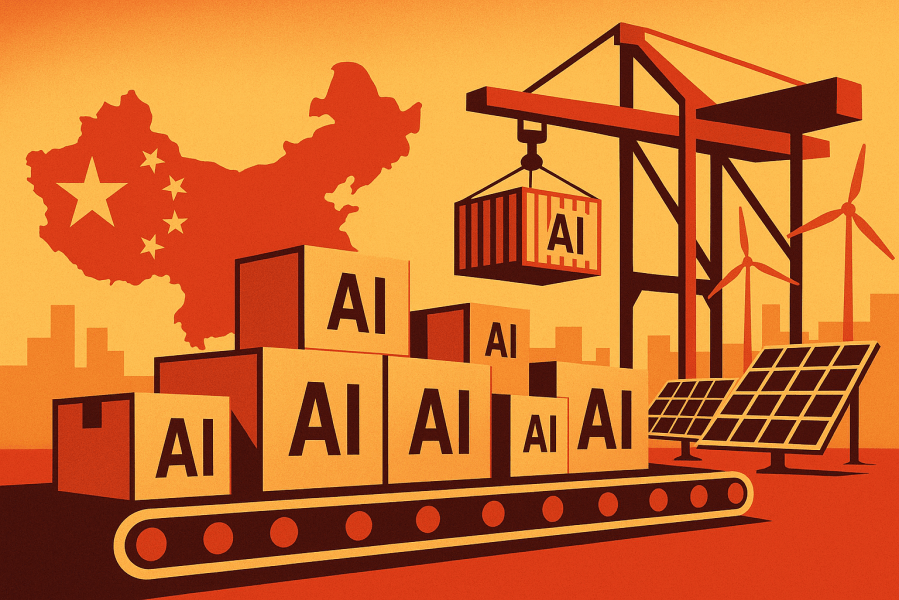
Chinese AI Oversupply
China’s tech industry is currently experiencing an unprecedented investment boom in the field of artificial intelligence, triggered by the use of the advanced model DeepSeek. Xiaomi plans to invest over RMB 7 billion in AI innovation and China Unicom announced RMB 55 billion of investment, with a significant proportion going to AI-driven telecommunications infrastructure modernization.… Continue reading Chinese AI Oversupply

Outflow of Intellectual Capital from China
The business model has been highly profitable: foreign companies invest in China, take advantage of its low-cost resources, and then export their products worldwide with attractive margins. In the eyes of the Chinese government, a similar pattern is now emerging in research and development—foreign companies are tapping into China’s knowledge resources through their R&D centers… Continue reading Outflow of Intellectual Capital from China

Labeling Requirements for AI-Generated Content
The Cyberspace Administration of China, the Ministry of Industry and Information Technology, the Ministry of Public Security, and the National Radio and Television Administration have jointly issued new regulations introducing mandatory labeling for AI-generated content. These measures will take effect on September 1, 2025, and require platforms to clearly mark content created by AI systems.… Continue reading Labeling Requirements for AI-Generated Content
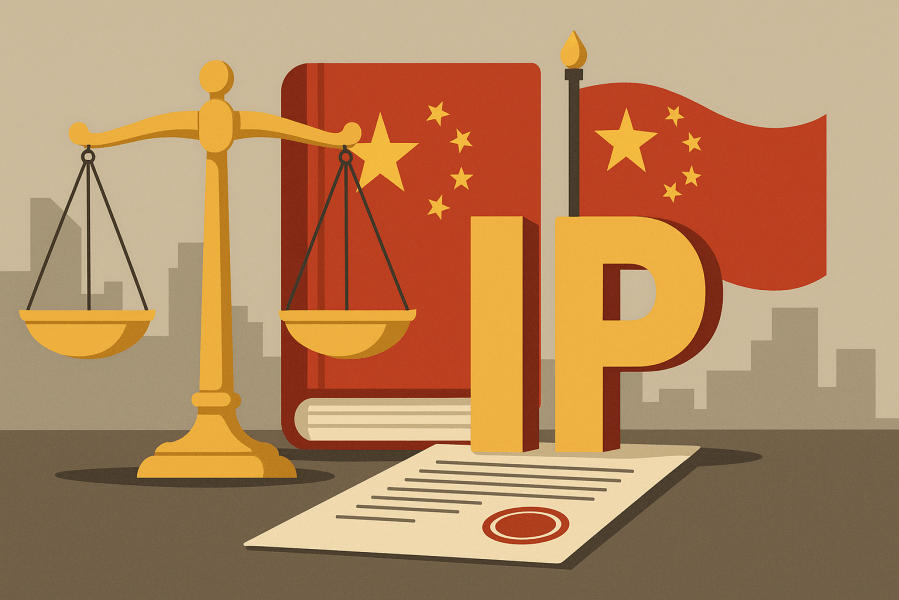
China’s New IP Regulation
China has issued a State Council regulation on the handling of foreign-related disputes in the field of intellectual property (IP), providing a framework for managing such disputes. With this new regulation, China has created a markedly more protectionist legal environment that goes far beyond traditional issues of industrial property rights. The regulation explicitly defines IP… Continue reading China’s New IP Regulation

Proxy cyberwarfare with AI agents
The risk that autonomous AI agents will independently detect vulnerabilities and exploit them as attack vectors is no longer a futuristic scenario – it has become a tangible and rapidly escalating threat. Unlike traditional tools for automated vulnerability scanning, modern AI agents like AutoGPT or SWE-agent operate with a high degree of autonomy. They can… Continue reading Proxy cyberwarfare with AI agents

 China Intellectual Property Blog