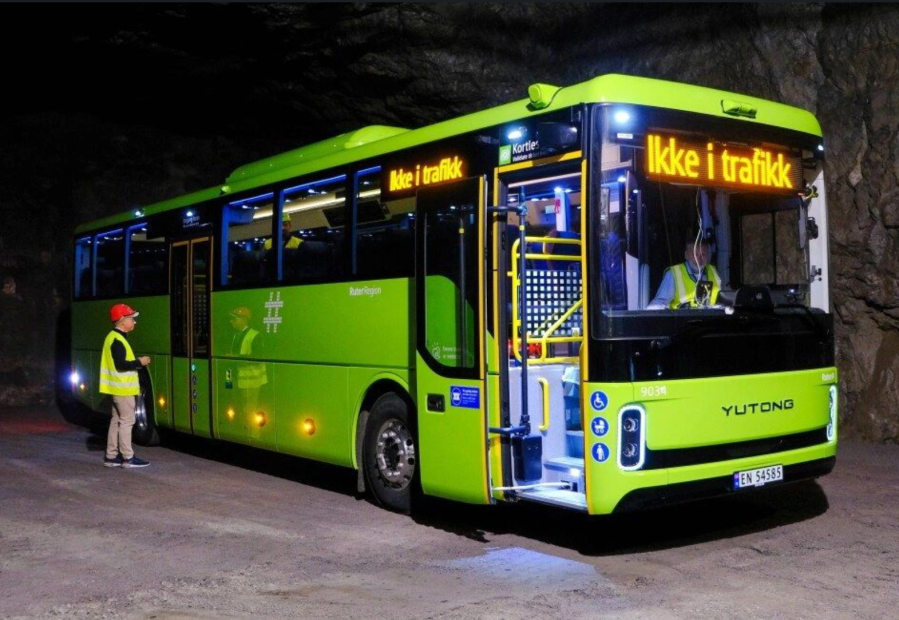
The case has caused a stir. Norwegian researchers drove a Chinese electric bus operated by Oslo’s public transit agency, Ruter, into a mine to cut off its wireless connection to the outside world. Nevertheless, the bus continued to attempt to send data back to its home base. The test revealed that the Chinese Yutong bus is equipped with cameras, microphones, tracking devices, and constantly active modems, and that most of the data traffic is encrypted. While the researchers could see where the data was going, they could not see what it contained.
Yutong dismissed the concerns, stating that the company could not control either the steering or the brakes, and that remote control was used solely for convenience features such as air conditioning and lighting. The data is stored on servers in Frankfurt, and the company claims to strictly adhere to Norwegian and EU laws. The fact is, however, that China’s National Intelligence Law requires companies to support state intelligence operations.
The core of the problem lies in the lack of transparency and control over connected vehicles. Since modern cars and buses are essentially rolling computers equipped with countless sensors, cameras, and microphones, they constantly collect and transmit data about their surroundings. The technical possibility of remote control and the knowledge of these data streams are real concerns. They raise the fundamental question of to what extent we should rely, in critical infrastructure and in our daily lives, on technology controlled by a foreign manufacturer. Ruter announced that it would tighten security requirements and implement anti-hacking measures, as the buses are also part of evacuation plans in the event of a disaster.
Foto: Eilif Swensen / Ruter